Reimagine Your Bedroom With State-of-the-art Adjustable Beds
Adjustable beds are gaining attention for their capacity to enhance sleep quality and comfort. These flexible configurations allow users to raise their heads or legs, tackling typical problems such as snoring and acid reflux. With characteristics like wireless remotes and integrated massage features, they cater to diverse needs. As the demand for personalized sleep solutions increases, learning about the specifics of adjustable beds becomes essential to making an informed decision about one's sleep environment.
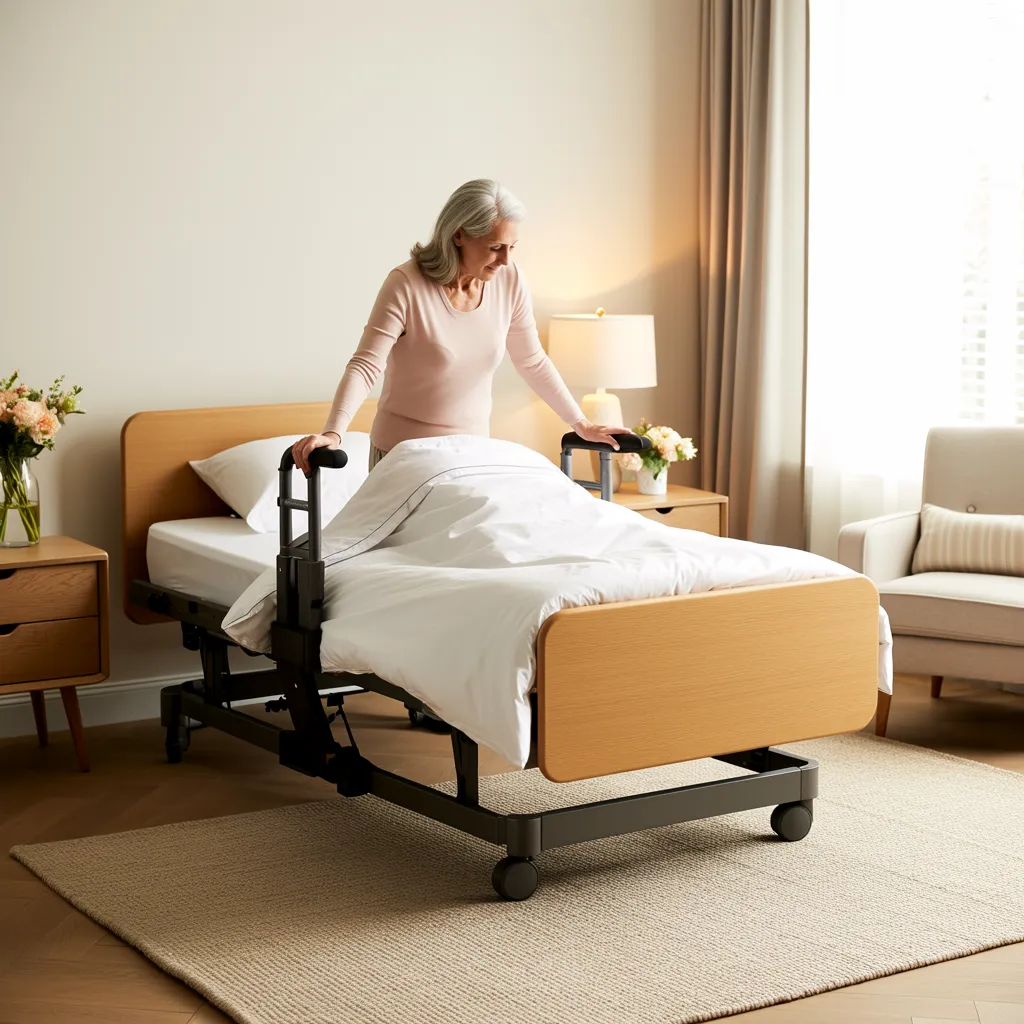
The Effect of Adjustable Beds on Sleep Excellence
While many people struggle with sleep performance, adjustable sleeping surfaces deliver a promising solution. These beds grant sleepers to adjust their body positions, which can diminish discomfort and foster better rest. By elevating the upper body or lower body, adjustable sleeping surfaces can decrease issues such as loud breathing, digestive reflux, and sleep apnea, enabling consistent sleep patterns.
Moreover, the capacity to discover a customized posture can improve spinal alignment, reducing back pain for many people. The ergonomic assistance provided by beds with adjustment capabilities promotes a more restful sleep, as users can find the perfect angle that matches their needs.
Furthermore, these mattresses can facilitate relaxation, making it easier for people to wind down before bedtime. Overall, adjustable beds cater to various sleep needs, significantly enhancing the overall sleep experience and quality, ultimately leading to improved wellness and well-being.
Key Features to Look for in Adjustable Beds
Adjustable beds supply a broad range of qualities that amplify their performance and overall comfort. One essential feature is the array of settings accessible for adjustment, letting individuals to adjust their feet or head for maximum coziness. Wireless control remotes are important, delivering easy adjustments from the bed.
Another crucial aspect is the bed's load limit, which ensures it can accommodate various body types. Additionally, some models include integrated massage capabilities, providing relaxation and stress relief. Compatibility with different mattress types is essential, allowing users to choose their preferred comfort level.
In addition, examine the presence of safety features including auto-return and anti-collision technology. At last, the warranty and support services options must not be overlooked, as they reflect the company's belief in the product's durability. These features collectively data work to an elevated sleeping experience and superior overall fulfillment.
Boosting Comfort Through Adjustable Beds
Often, individuals enjoy significant enhancements in comfort when using adjustable beds. These beds allow users to customize their sleeping position, catering to personal preferences and specific needs. By elevating the head or foot sections, sleepers can reduce pressure on the spine and joints, promoting better alignment and decreasing discomfort.
Moreover, beds with adjustable features can be especially advantageous for those with certain medical issues, such as acid reflux or sleep apnea. Raising the upper body can help decrease symptoms, while lifting the legs may enhance circulation and relieve swelling.
The versatility of adjustable beds also reaches to their ability to accommodate different pursuits. Whether enjoying a book, watching television, or completing work from bed, users can locate a position that enhances their overall experience. Ultimately, the adjustability of beds that adjust contributes significantly to better sleep and overall well-being.
Exploring the various designs of adjustable beds uncovers unique advantages tailored to individual requirements. The most popular varieties include dual-zone adjustable beds, which allow partners to customize their side independently, enhancing comfort for both. Additionally, wall-hugging models keep proximity to nightstands while changing positions, rendering them practical in smaller spaces.
In addition, some models offer zero-gravity settings, which lift the head and legs, affording relief from pressure points and enhancing circulation. Other beds come fitted with massage functions, supplying relaxation and aiding in stress reduction.
Material options also vary, with selections extending from memory foam to hybrid designs, addressing different preferences for firmness and support.
In the end, the decision regarding adjustable bed design can substantially improve sleep quality and general wellness, making it vital for consumers to review their individual needs and lifestyle when selecting the ideal option.
Guidelines for Setting Up Your Flexible Sleeping Surface Easily
Setting up an flexible mattress base requires a few straightforward steps to ensure proper functionality. First, opening and examining all parts is essential for identifying any possible problems. Once confirmed, assembling the bed frame and connecting the power and settings will complete the setup process efficiently.
Take from Box and Inspect Components
Opening an customizable sleeping surface shows a variety of components engineered for simple setup and optimal relaxation. Typically, the shipment contains the bed frame, movable foundation, control device, electrical unit, and multiple add-ons such as connectors and hardware. Every component is carefully packed to prevent damage during transit.
During thorough review, it is critical to confirm that all components are present and without damage. Users should test the control device for proper function and establish that cables are in good condition. In addition, assessing the adjustable base for any production issues is vital. Thorough checking at this stage can save time and annoyance during the setup procedure. Once everything is accounted for, customers can advance with confidence to construct their new adjustable bed frame.
Build The Bed Frame
The process of assembling the bed frame begins by laying out all parts in an organized manner, guaranteeing easy access throughout the setup. The frame usually comprises side rails, end rails, and support slats. Start by connecting the side rails to the head and footboards following the provided instructions, locking each joint with the right hardware. Then, place the support slats over the width of the frame, ensuring they are evenly spaced for optimal mattress support. After the frame is fully built, assess its stability by gently shaking it. Corrections can be made if needed to guarantee a secure and sturdy setup. Once the frame is in position, the following steps can continue seamlessly.
Connect Power And Configuration
To institute an excellent experience with the motorized bed, connecting the power supply and configuring the settings is essential. First, locate the electrical cord and plug it into a nearby outlet, ensuring it is firmly attached. Next, switch on the bed's control unit, often found on the foot or side of the frame. This unit usually features a wireless remote or a mobile app for convenience. Users should then configure the bed's settings, such as head and foot elevation, according to individual comfort needs. It is suggested to explore additional settings, such as massage functions or preset positions. Finally, ensuring that all connections remain tight can prevent disruptions during use, enhancing overall satisfaction with the adjustable bed experience.
Countering Common Myths About Adjustable Beds
Numerous misconceptions encompass adjustable beds, especially regarding comfort and mobility benefits. Some suppose that these beds are inherently uncomfortable or that their advantages are limited to those with mobility issues. Addressing these myths is essential to grasping the true value of adjustable beds.
Adjustable Beds Are Uneasy
Adjustable beds often draw criticism for seeming uncomfortable, yet this notion is mostly untrue. Many users state that these beds boost their resting quality by allowing personalized placement. The capacity to elevate the head or feet can alleviate pressure on specific body areas, promoting circulation and minimizing discomfort. Additionally, adjustable beds feature various mattress types, including memory foam and latex, which address individual tastes for resilience and comfort. Many manufacturers also emphasize ergonomic design, guaranteeing that the bed molds to the natural body form. As a result, adjustable beds can offer a level of comfort that traditional beds may not provide, challenging the myth that they are inherently uncomfortable for sleep.
Limited Mobility Benefits Only
While some might assume that adjustable beds only benefit those with limited mobility, this assumption fails to see the numerous benefits they offer to a broader array of users. These beds can boost comfort for people without mobility issues by permitting customized adjustment that fosters comfort and relaxation and reduces strained areas. They are particularly beneficial for those who experience ailments like GERD or breathing disturbances, as raising the upper body can enhance airflow and digestion. Furthermore, these beds can enhance overall sleep quality by supporting various rest positions. By challenging the misconception that these beds are only for the mobility-impaired, it is clear that they appeal to anyone desiring a better and personalized sleep experience.
Finest Mattresses for Adjustable Beds
Determining the perfect mattress for an flexible sleeping surface can greatly enhance comfort and stability. Memory foam mattresses are frequently suggested due to their knack for conforming to the body's shape, providing pressure relief and alignment. Furthermore, they normally perform well with adjustable bases, enabling smooth movement without impairing comfort.
Latex mattresses are another wonderful choice, offering a responsive feel and long-lasting quality. They deliver a balanced support that can work with multiple sleeping positions, creating them ideal for electric beds. Additionally, hybrid mattresses, which merge innerspring and latex and foam, provide a versatile option. These mattresses give the spring of traditional innerspring with the molding benefits of foam.
Lastly, it's crucial to assess thickness. Mattresses in the 10 to 14 inch range are typically ideal with adjustable frames, delivering flexibility and support without excess bulk. Picking the correct model can greatly improve the adjustable sleeping experience.
Routine Questions Raised Frequently
Do all mattress varieties function with adjustable beds?
Adjustable beds tend to be compatible with numerous mattress types, such as memory foam, latex, and hybrids. However, it's vital to consult specific manufacturer guidelines to assure peak quality and support for each mattress design.
Do Flexible Mattress Systems Require Specific Bedding or Accessories?
Adjustable beds generally do not demand special bedding or accessories. However, choosing fitted sheets designed for adjustable bases can improve comfort and fit, guaranteeing the bedding works with the bed's movements properly and remains secure.
What Is the Average Duration of Adjustable Bed Systems?
Adjustable beds often last between 10 and 20 years, depending on usage and quality. Regular upkeep and correct care can increase their lifespan, securing continued comfort and functionality for users over time.
Do Flexible Beds Offer Support for Specific Health Concerns?
Adjustable beds can indeed aid in managing specific health conditions, such as sleep apnea, acid reflux, and chronic pain. By promoting ideal sleeping positions, they could ease discomfort and optimize overall sleep quality for many individuals.
Do motorized sleep systems create noise when modifying positions?
Adjustable beds can create different sound outputs when modifying positions. Many models operate with minimal sound, while some may create minor noises due to mechanical systems. Overall, most users perceive the noise as minimally bothersome during use.